The companies that shaped personal computing did not just build computers — they built platforms. Operating systems, developer toolkits, and app distribution infrastructure created the conditions for an ecosystem that no single company could have produced alone. The drone industry is entering an analogous moment.
Three Layers of the Emerging Ecosystem
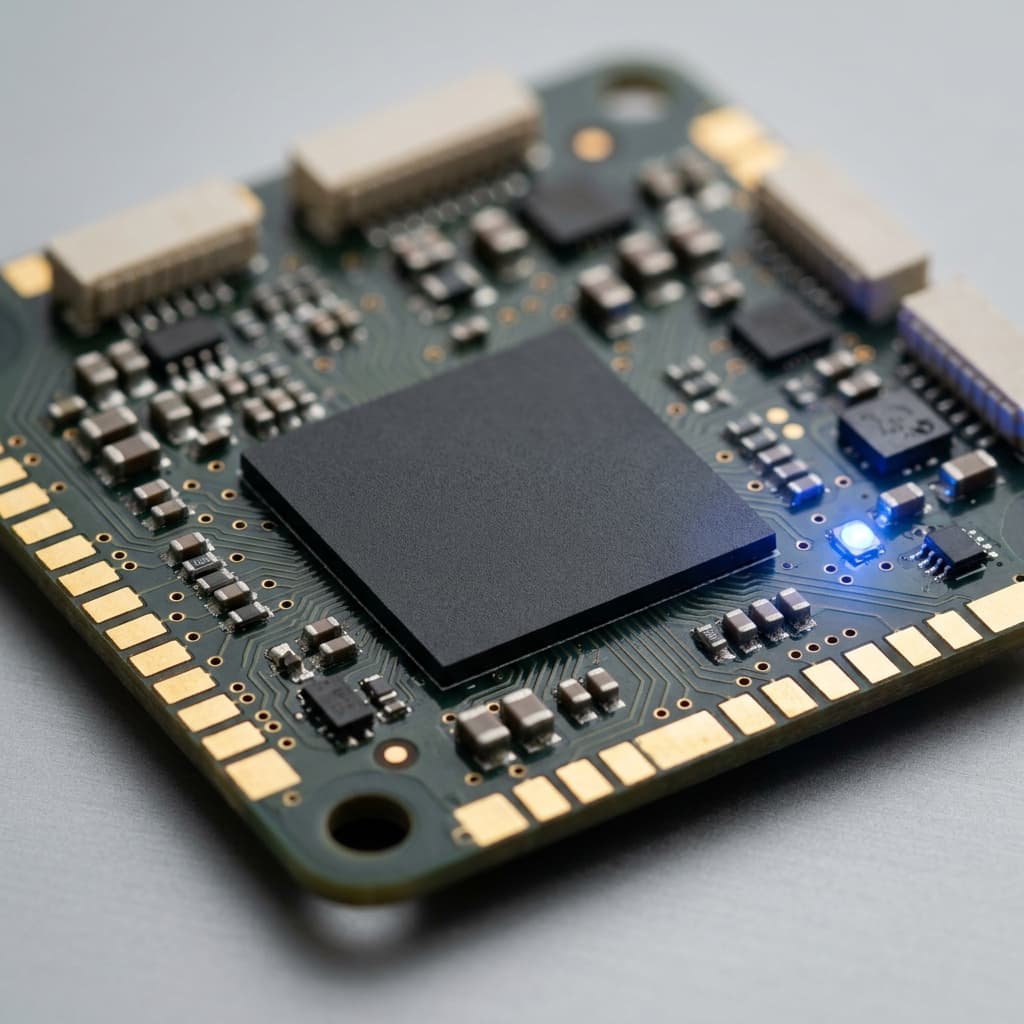
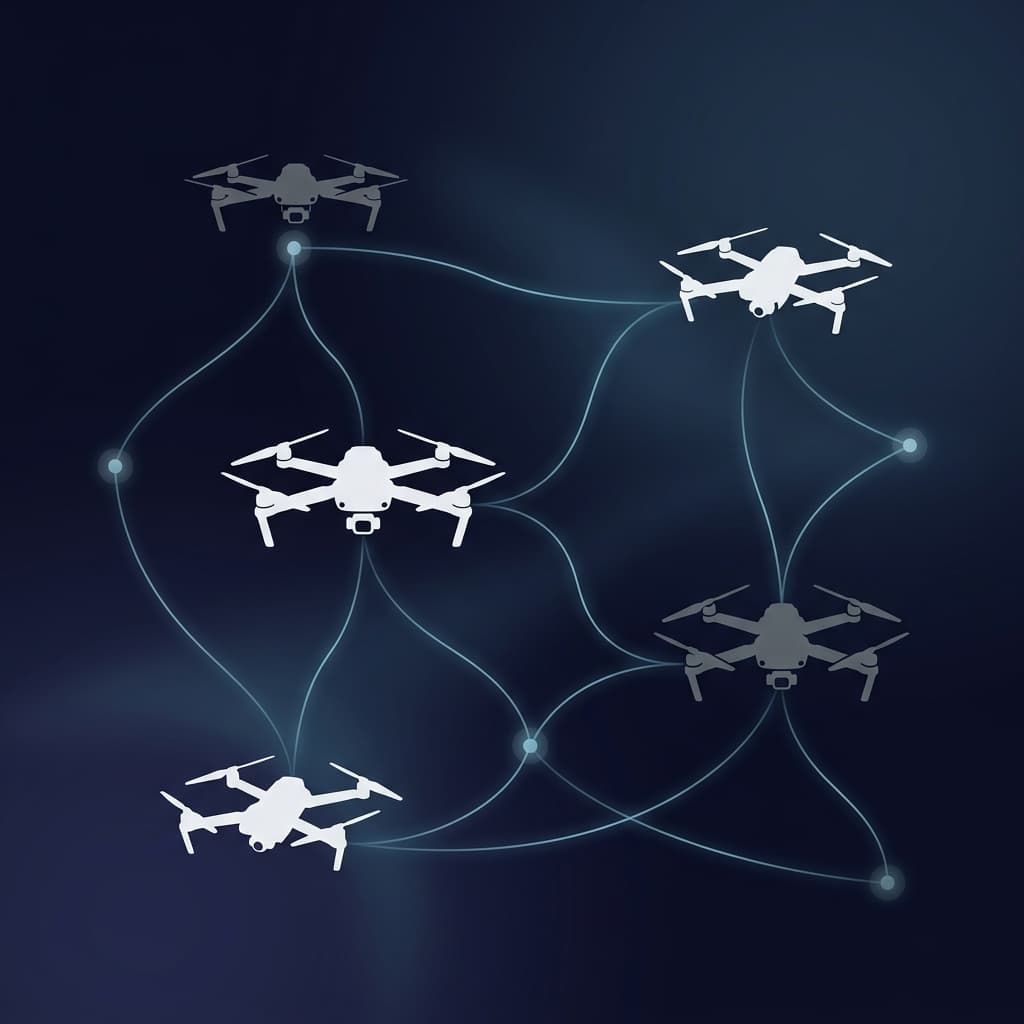
The next-generation drone ecosystem is not a single product category — it is a stack. Each layer enables the one above it, and the value of the entire structure compounds as each layer matures.
Startups like Hovernest are not just building drones — we are building complete aerial intelligence systems. The drone is the endpoint. The platform is the product.
Open SDK and the Developer Layer
Hovernest exposes an open SDK with bindings for Python, C++, and ROS2. MAVLINK-compatible telemetry means operators and integrators can connect existing fleet management infrastructure without migration cost. The developer programme provides hardware access, mission simulation environments, and integration support for teams building on the platform.
The goal is not to control the ecosystem — it is to be the infrastructure layer that makes the ecosystem possible. Every operator who builds a mission-specific application on Hovernest hardware and software makes the platform more defensible and more capable.
What Comes Next
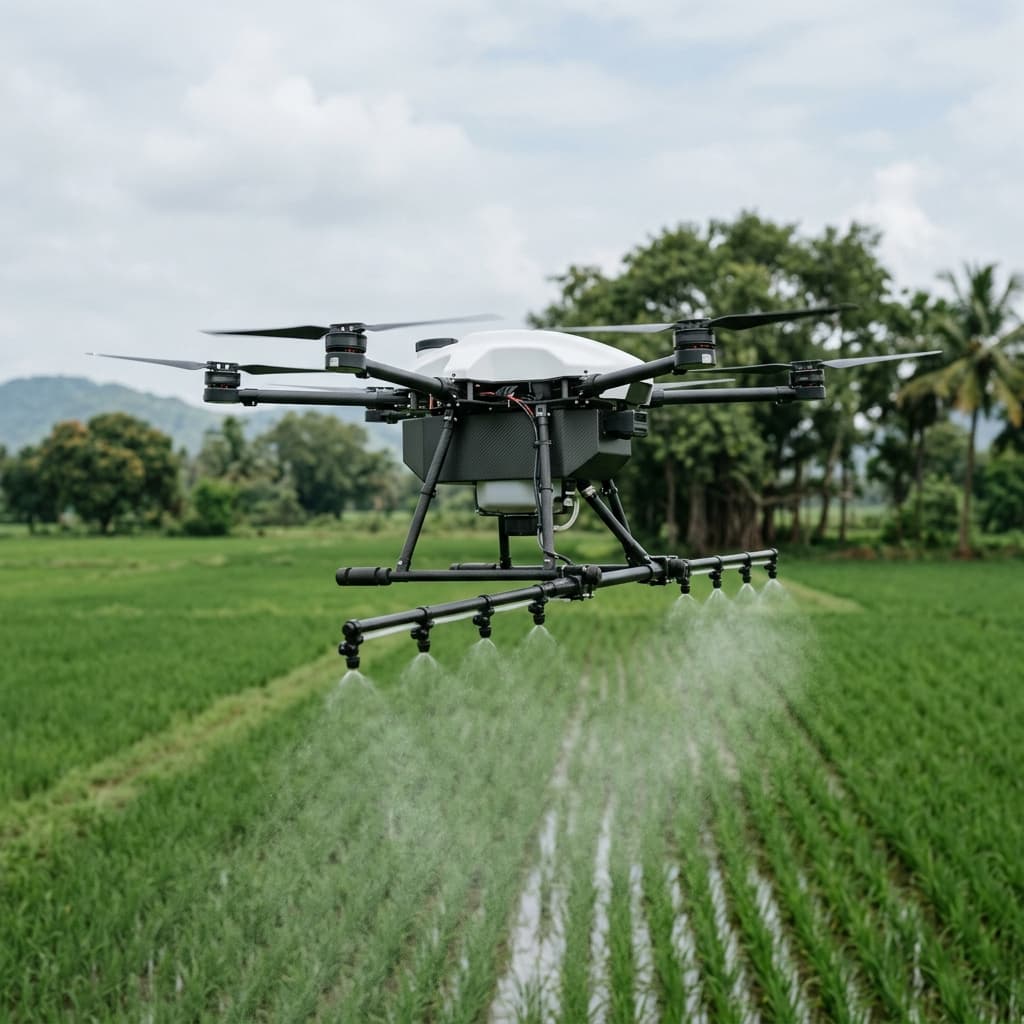
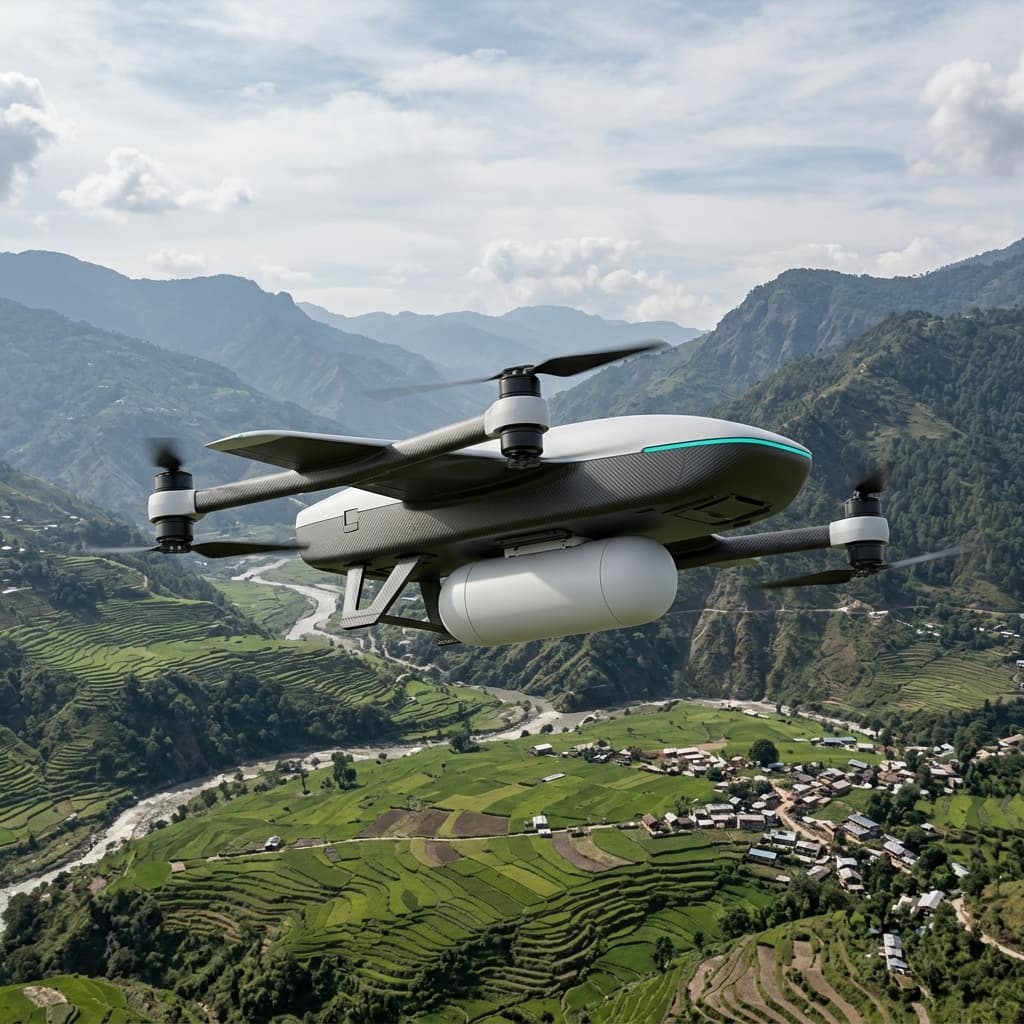
The drone platforms being deployed today are generating the operational data and regulatory experience that will define what is possible in the next five years. Persistent ISR, autonomous swarm search, medical relay networks, and infrastructure monitoring at scale are not future concepts — they are active programme areas.
The companies that are building their platform layer now — accumulating integration partnerships, developer relationships, and operational data — will hold advantages that cannot be replicated by late entrants with better hardware. Aerial intelligence is a platform business. Hovernest is building the platform.