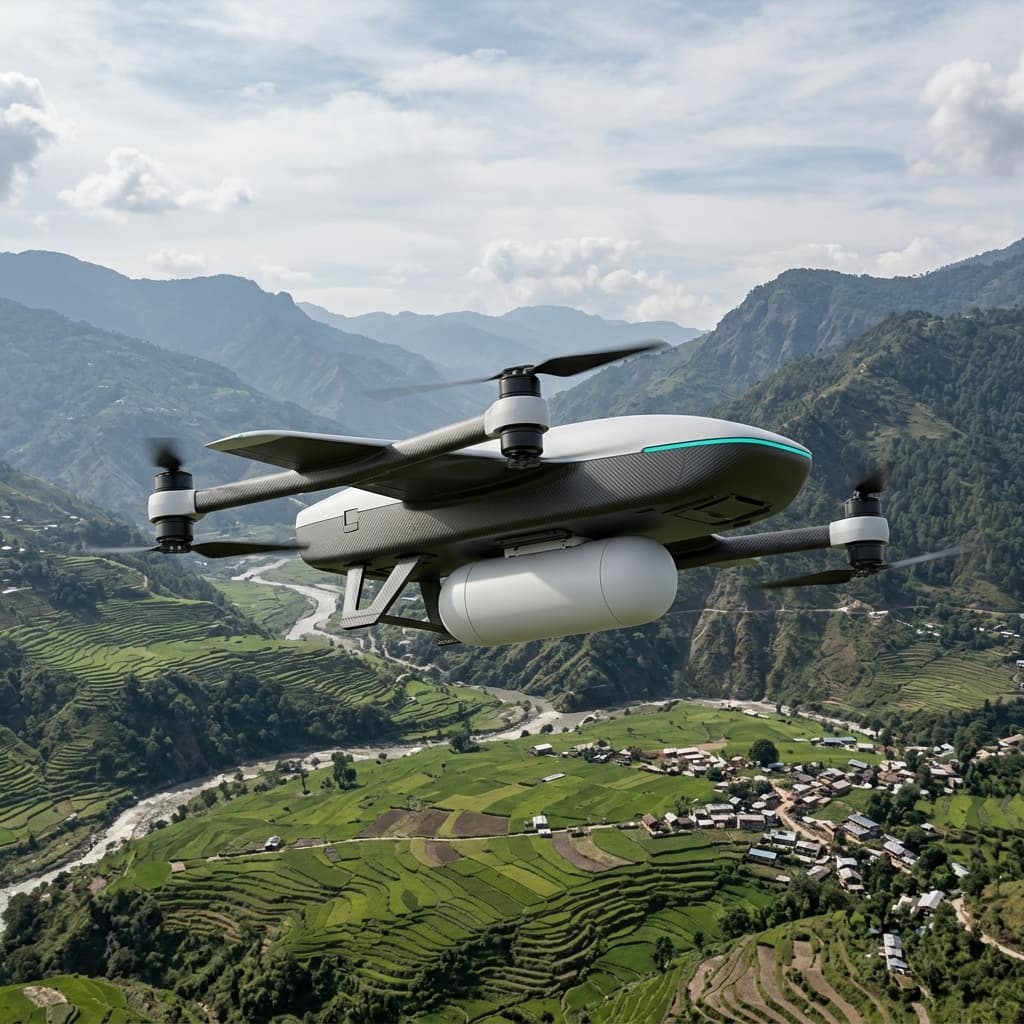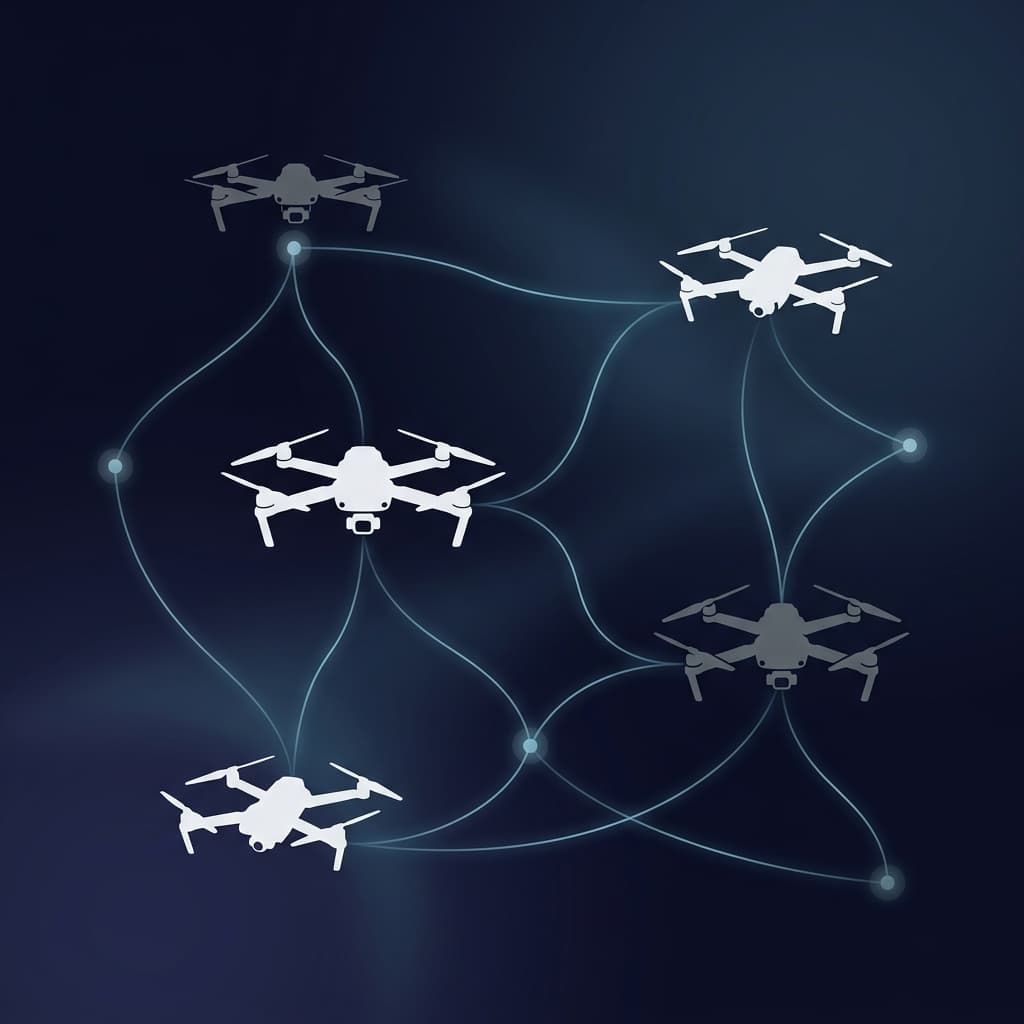
AI is no longer an add-on in drones — it is becoming the brain. Traditional flight controllers rely on predefined logic: fixed PID loops, hardcoded thresholds, and rules written for conditions the engineer imagined at design time. The real world does not behave that way.
What Modern AI Flight Stacks Can Do
Modern AI-native flight stacks replace static logic with layered decision architectures that treat every flight as a data problem. Instead of following instructions, the system is continuously observing, modelling, and adapting.
Traditional autopilots are reactive. AI flight stacks are anticipatory — and that distinction defines what is operationally possible.
Introducing NeuroFC
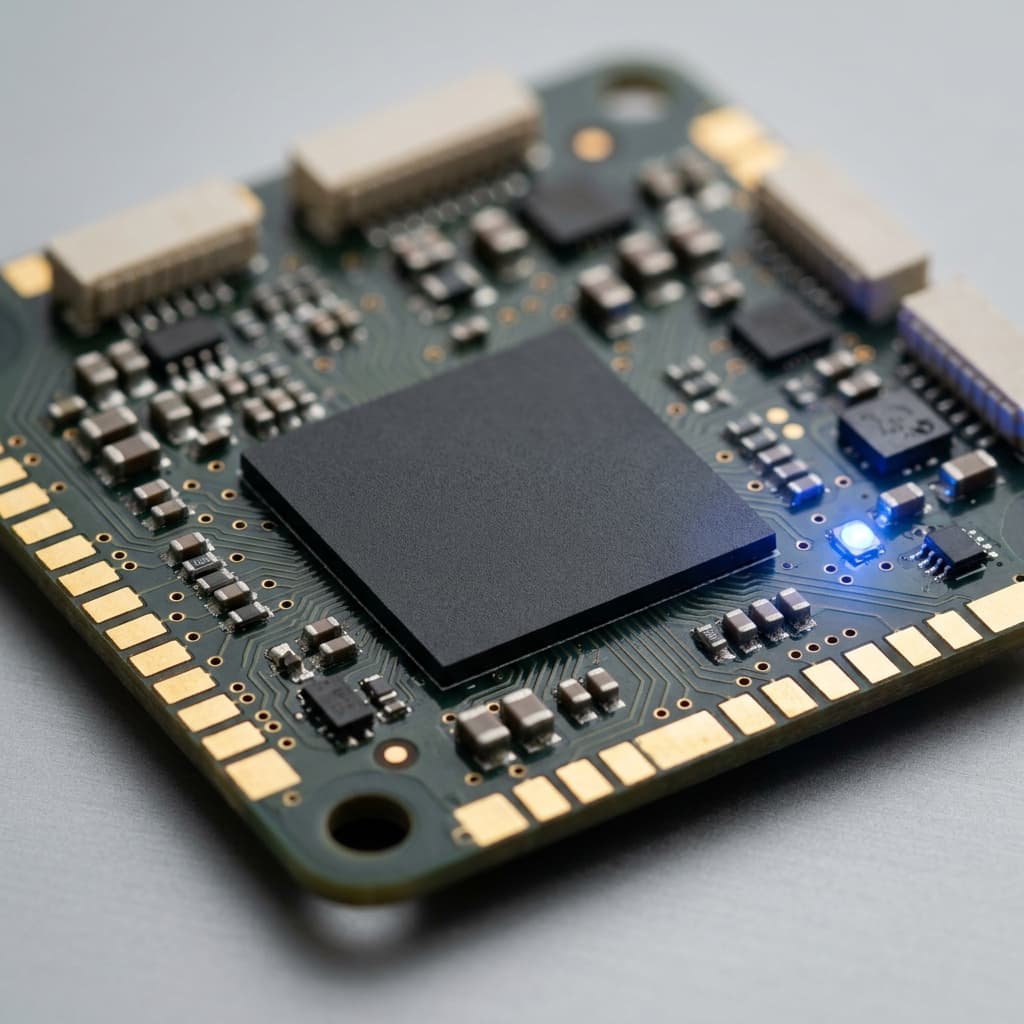
At Hovernest, we are building NeuroFC — a modular AI-powered flight controller designed for real-time decision-making onboard drones, not in the cloud. Cloud-dependent autonomy introduces latency that is incompatible with low-altitude operations. NeuroFC runs its full inference pipeline on-device, within the hard real-time constraints required for safe flight.
The architecture runs three parallel threads — perception, world-modelling, and mission cognition — unified by a deterministic arbitration kernel. When sensor inputs degrade or conditions shift, the system does not freeze or fall back to manual; it reconfigures and continues executing.
What This Means for Operators
For operators, NeuroFC means fewer mission aborts, lower cognitive load, and reliable performance in conditions that would ground conventional platforms. The data captured during each flight feeds back into model refinement — the longer a fleet operates, the better its judgment becomes.
This is not incremental improvement over existing autopilots. It is a different class of system entirely — one that treats flight intelligence as a software problem with a continuously improving solution.