AI-Native VTOL Systems
Hovernest
AI-native VTOL drone platforms for medical logistics, agriculture, inspection, and autonomous operations. Built in India. Deployed globally.
Drag to rotate
Hovernest — DPIIT & Startup Ecosystem Partners

Startup India
DPIIT Recognised

StartupTN
Govt. of Tamil Nadu

Startup India
DPIIT Recognised
StartupTN
Govt. of Tamil Nadu
The Mission
Three commitments
behind every flight.
Autonomous
AI-native VTOL systems that sense, plan, and adapt — reducing human dependency in complex logistics environments.
Accessible
Deployable in remote terrain, high-altitude corridors, and underserved infrastructure zones with minimal ground setup.
Safe
Every system decision is governed by certified redundancy, deterministic failover logic, and operational risk registers.
NeuroFC
The flight controller
that thinks ahead.
NeuroFC replaces single-loop PID logic with a layered decision architecture — parallel perception, world-modelling, and contingency threads that respond to adversarial inputs in under 20 milliseconds.
AI-Native Control
Three parallel threads.
One deterministic kernel.
Perception, world-modelling, and mission cognition run simultaneously. When sensor inputs degrade or conditions shift, the system doesn't freeze or fall back to manual — it reconfigures and continues executing.
<20 ms
Adversarial response
+18%
Range optimisation
3
Decision threads
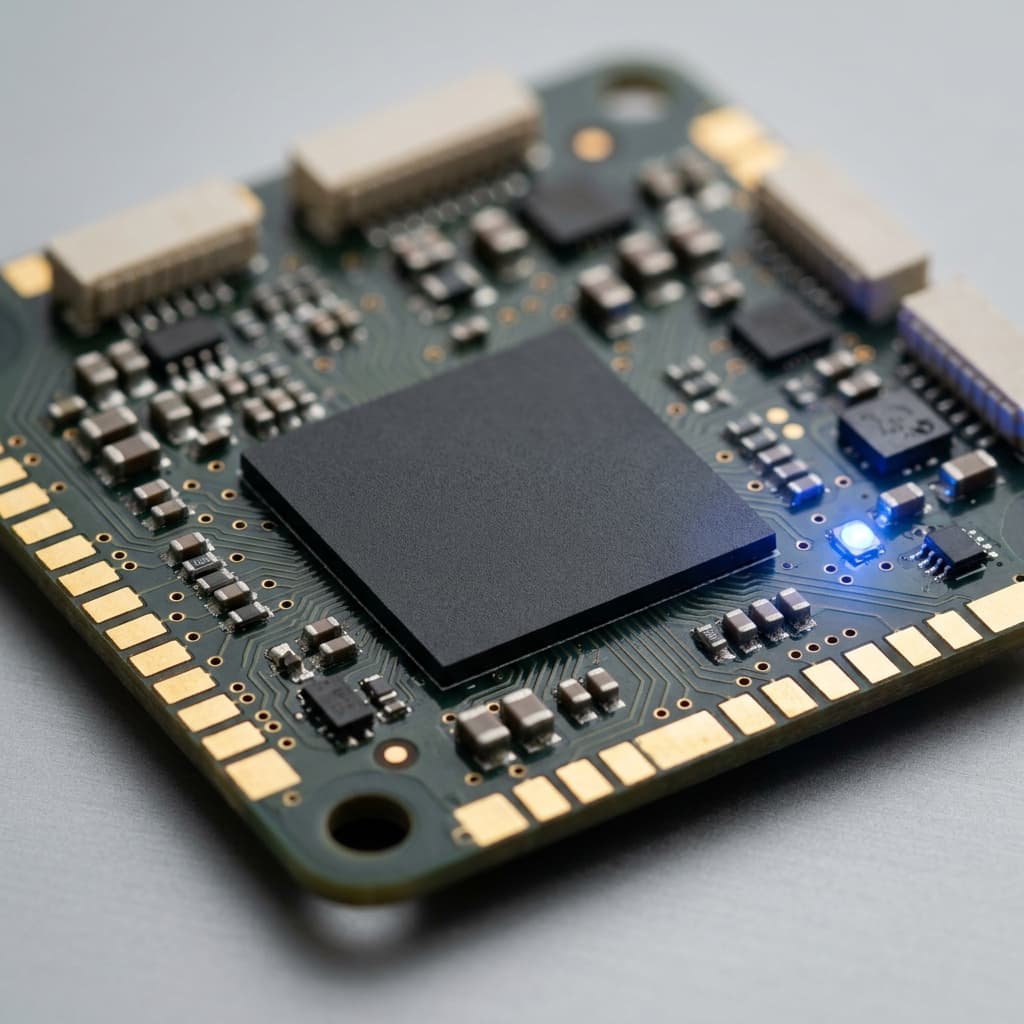
On-device inference
NVIDIA Jetson-class edge compute
Telemetry resilience
4G/5G + RF channels
Open integration
PX4 / Ardupilot · MAVLINK · SDK
Purpose-Built Solutions
One architecture.
Every frontier.
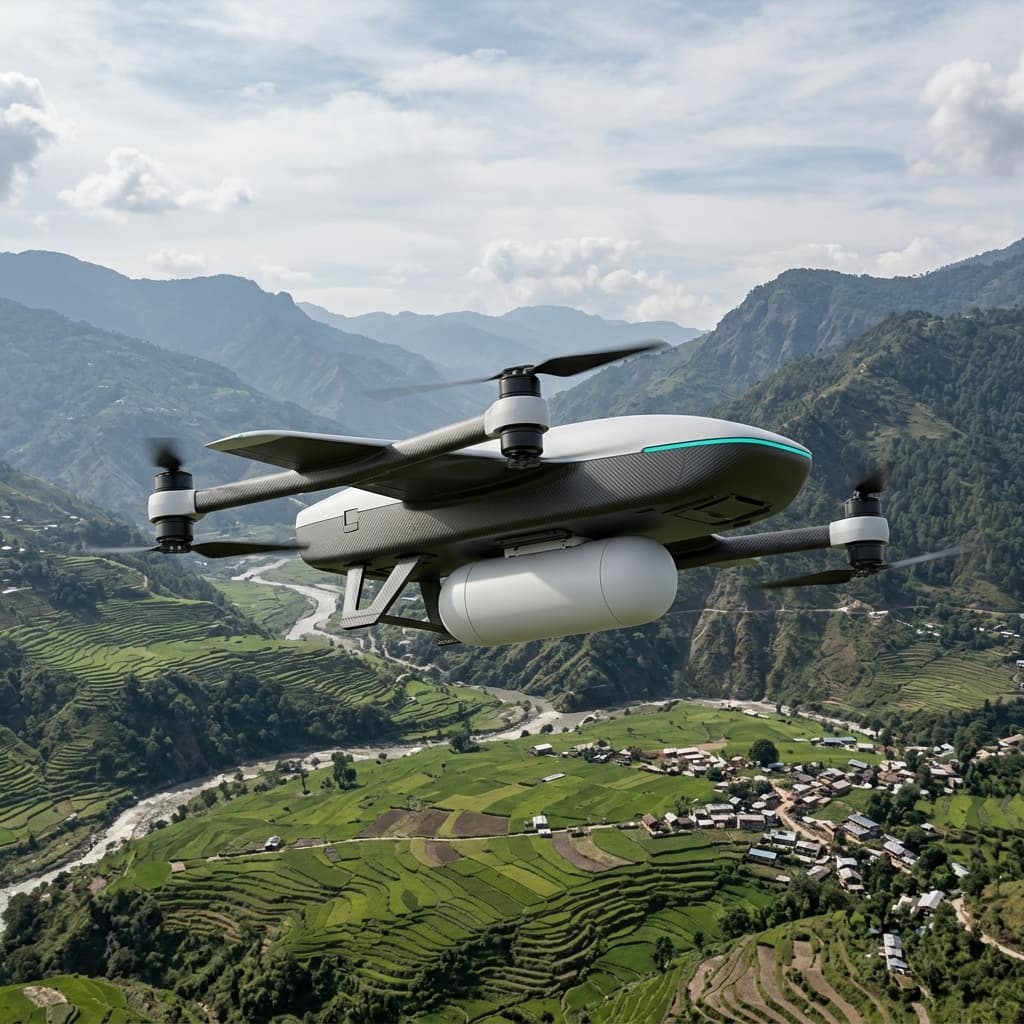
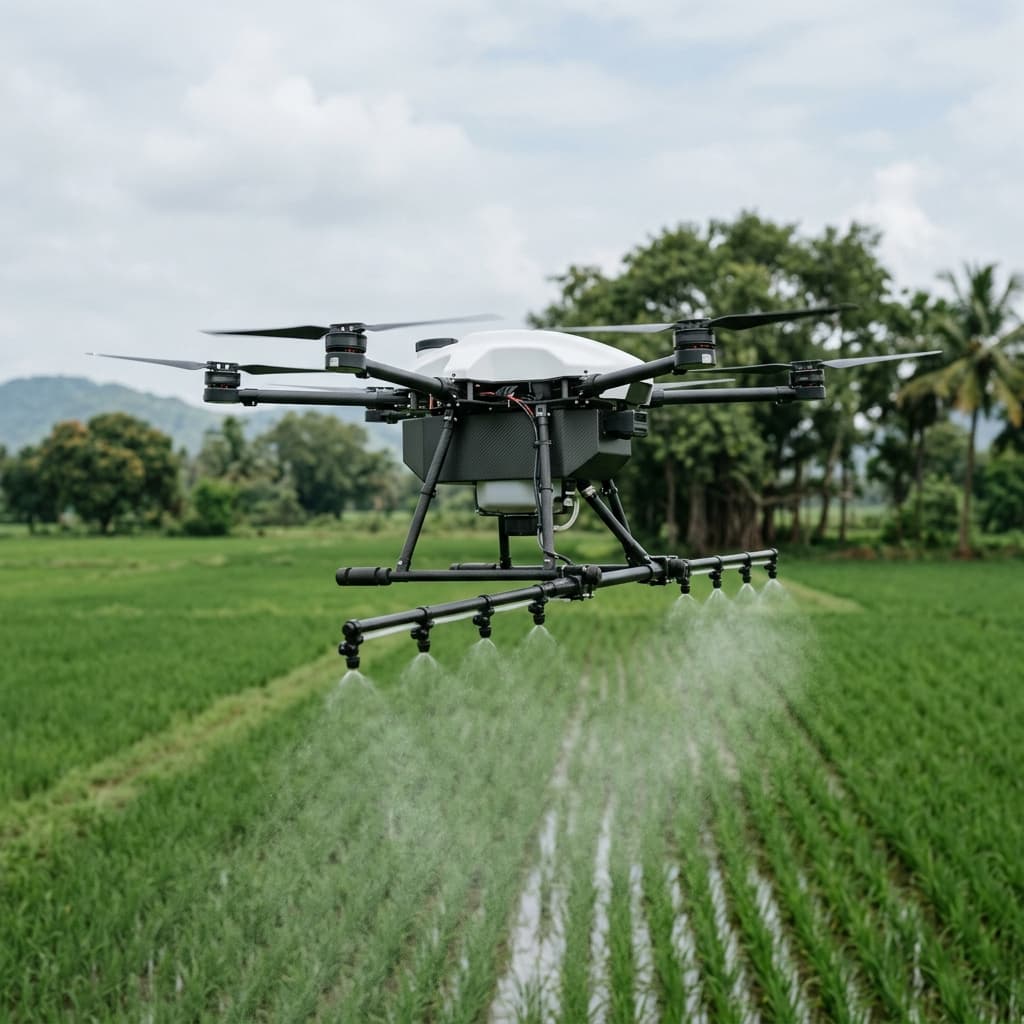
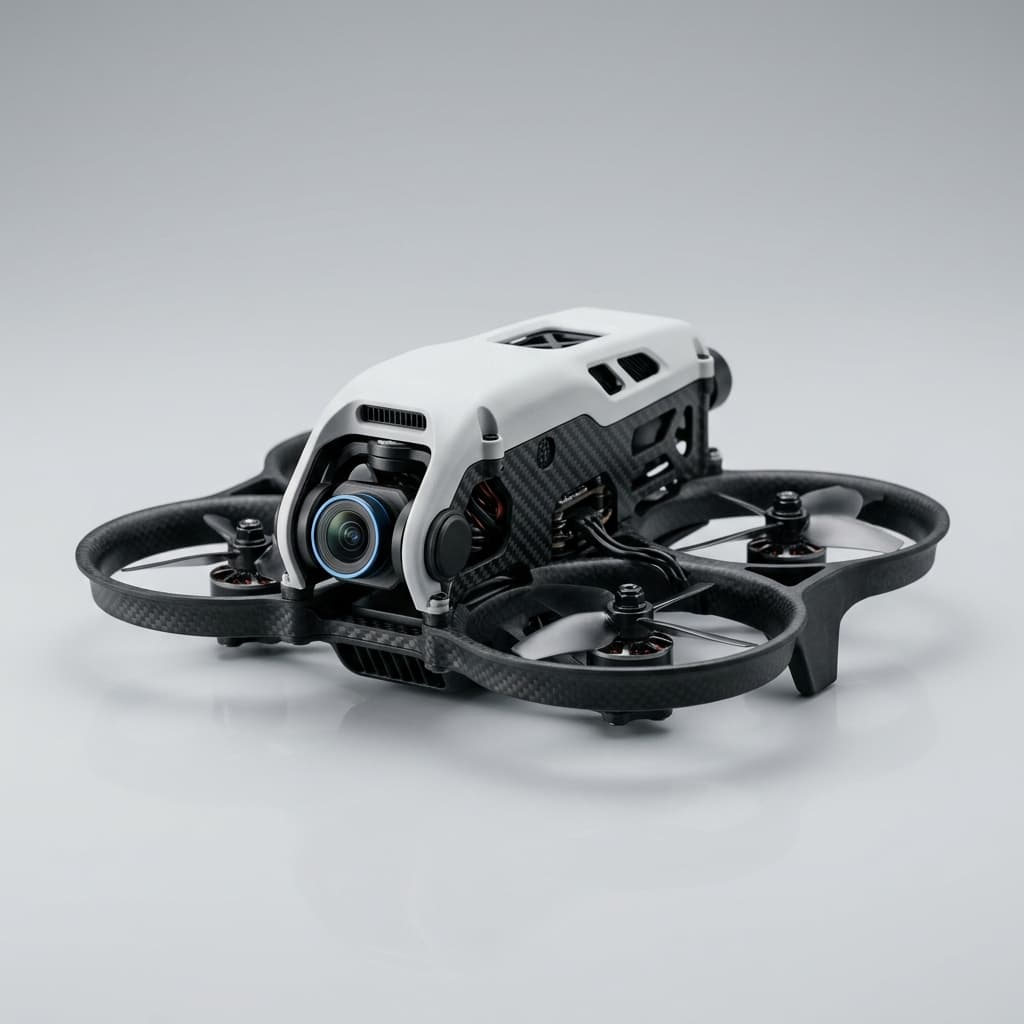
One platform architecture deployed across healthcare, agriculture, and public safety.
Deployment Pathway
From first contact to final delivery.
A structured five-phase process. A successful pilot initiates a transition sequence — programs are engineered to evolve, not expire.
Discovery
Mission objectives, terrain parameters, regulatory context, and operational constraints are assessed and classified.
Planning
Flight corridors, sensor configurations, airspace clearances, and mission risk registers are compiled and finalised.
Deployment
Certified crews execute the program with live telemetry streams, on-site engineering support, and continuous data validation.
Validation
All data outputs are cross-referenced against mission success criteria and KPIs established during the scoping phase.
Scale
Validated programs transition to recurring deployment cycles or fleet-scale operations under established mission agreements.
From the Internship Lab
The Hovernest
Drone Kit.
Every intern works hands-on with the same fans, motors, and airframe components that fly in production missions — not simulations.
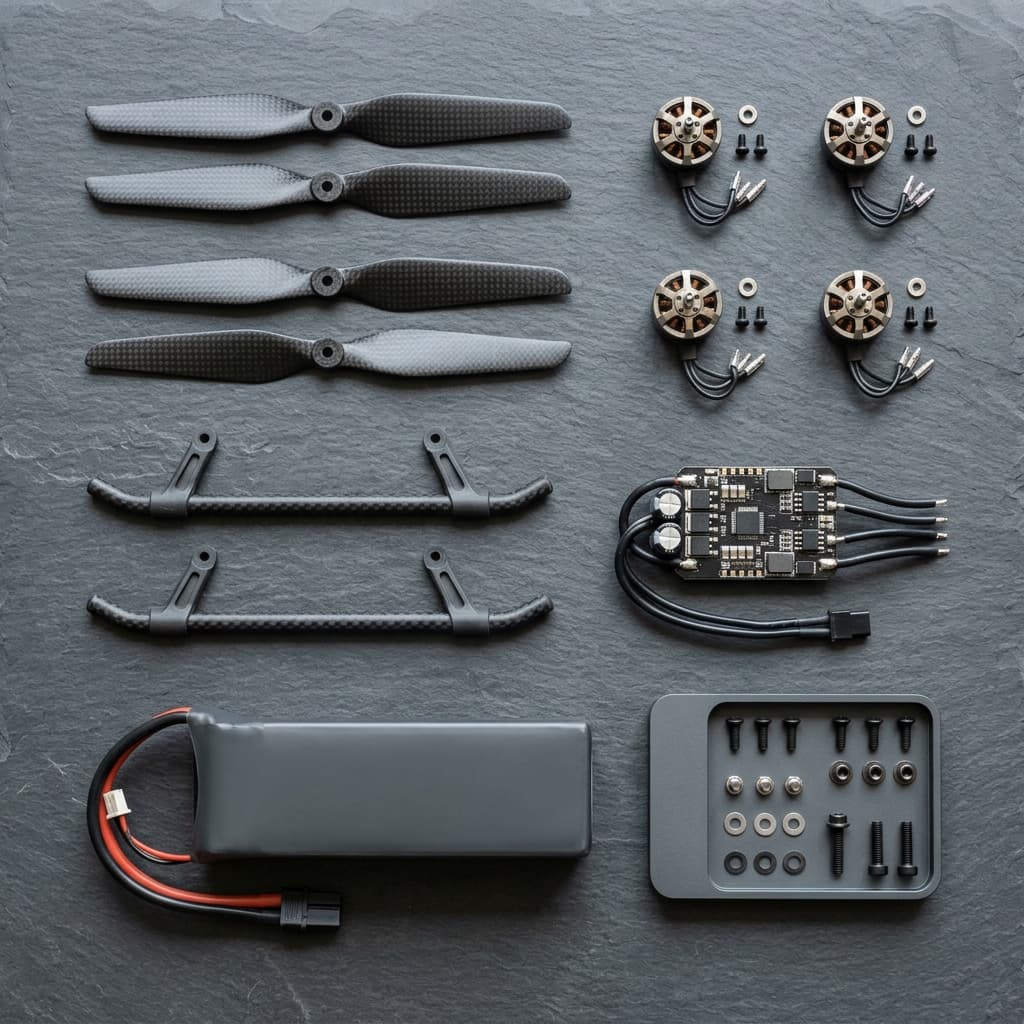
Interns are issued a full component kit on day one — the same propellers, fans, motors, and sensor modules used across the VTOL and fixed-wing lineup — and build, test, and iterate on real hardware from week one.
- Propellers & rotor assemblies
- Motors, fans & ESCs
- Frames & landing gear
- Sensors & cameras
- Batteries (LiPo / Li-ion)
Ready to start a pilot programme?
Integrate into your operations, evaluate outcomes, and scale with confidence. Our team confirms a deployment timeline within five days.